Getting blown off your fishing spot because you can’t properly control your boat is a guaranteed way to ruin a Saturday. If you are finally upgrading your rig, the very first choice you have to make is where that motor actually lives. Deciding on a bow mount trolling motor vs transom mount setup completely dictates how your boat handles in the water. Making the right bow mount trolling motor vs transom mount choice gives you surgical precision, while making the wrong choice guarantees you will spend all day fighting the steering tiller instead of actually fishing.
We are going to break down the physics of boat control, figure out which style fits your specific hull, and help you choose the right steering options to catch more fish.
The Physics of Boat Control: Pulling vs Pushing
When you look at a bow mount trolling motor vs transom mount comparison, it really comes down to the physics of pulling versus pushing. Where the thrust originates changes how your hull moves through the water.
Why Pushing from the Transom is Harder
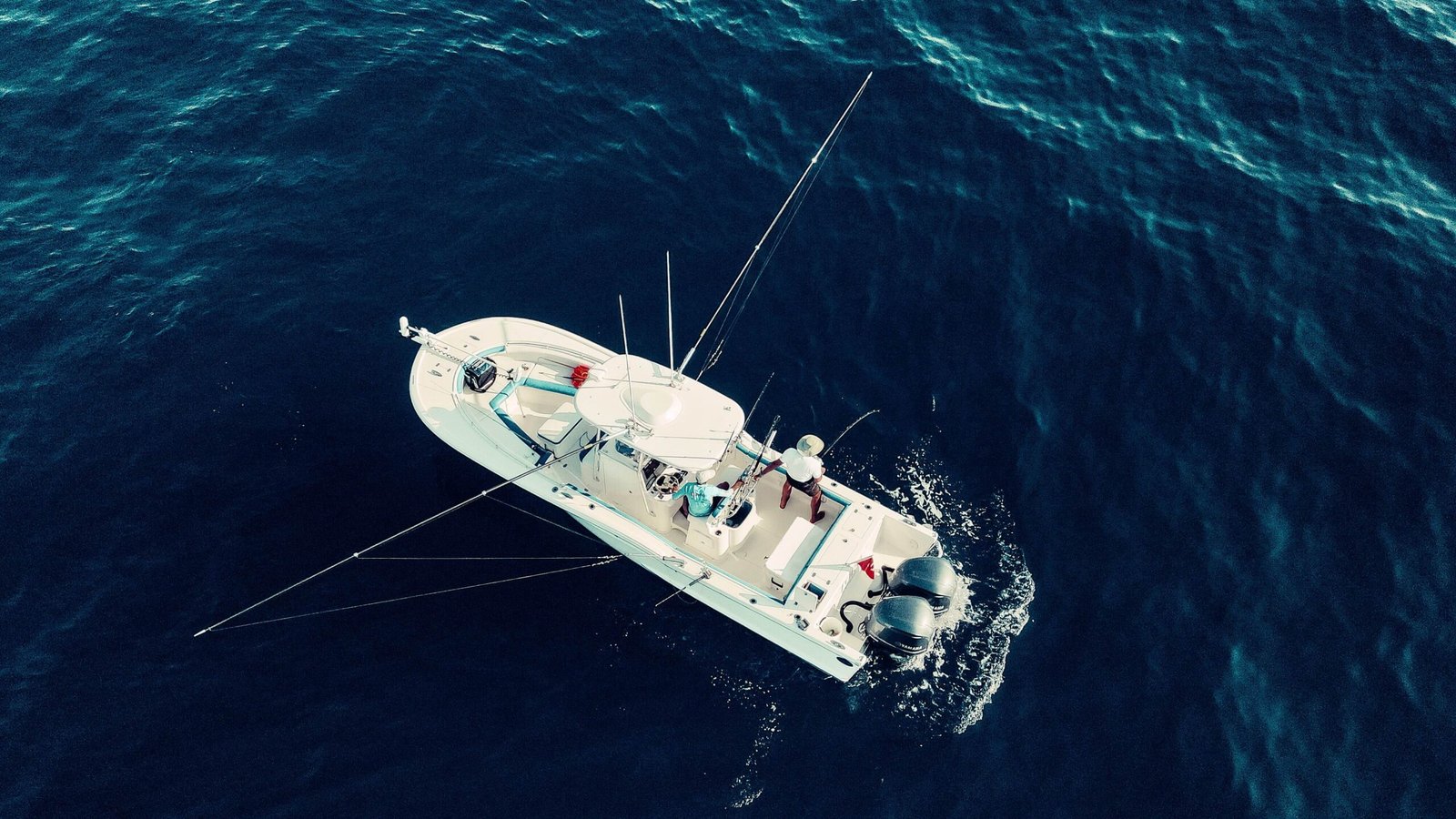
A transom mount motor sits squarely on the back of the boat and pushes the hull forward. Think about pushing a heavy shopping cart from the back by its handle. It is incredibly easy to go straight, but the second you try to turn sharply or correct for a bump, the heavy front end wants to swing wild. The same thing happens to your boat. Steering from the back means the nose of your boat constantly drifts left and right, requiring you to make constant, annoying steering corrections just to stay on a straight weed line.
The Bow Mount Pulling Advantage
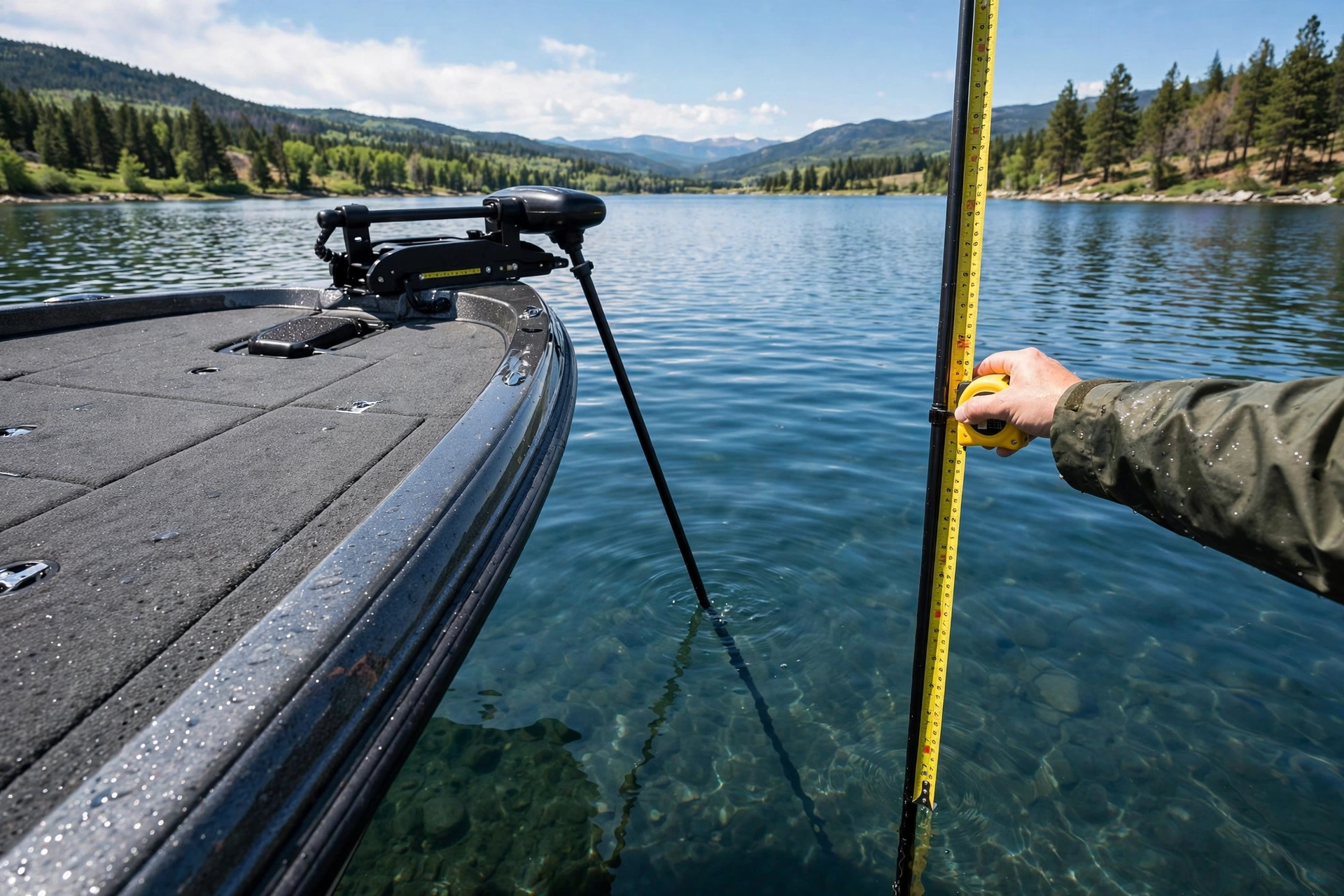
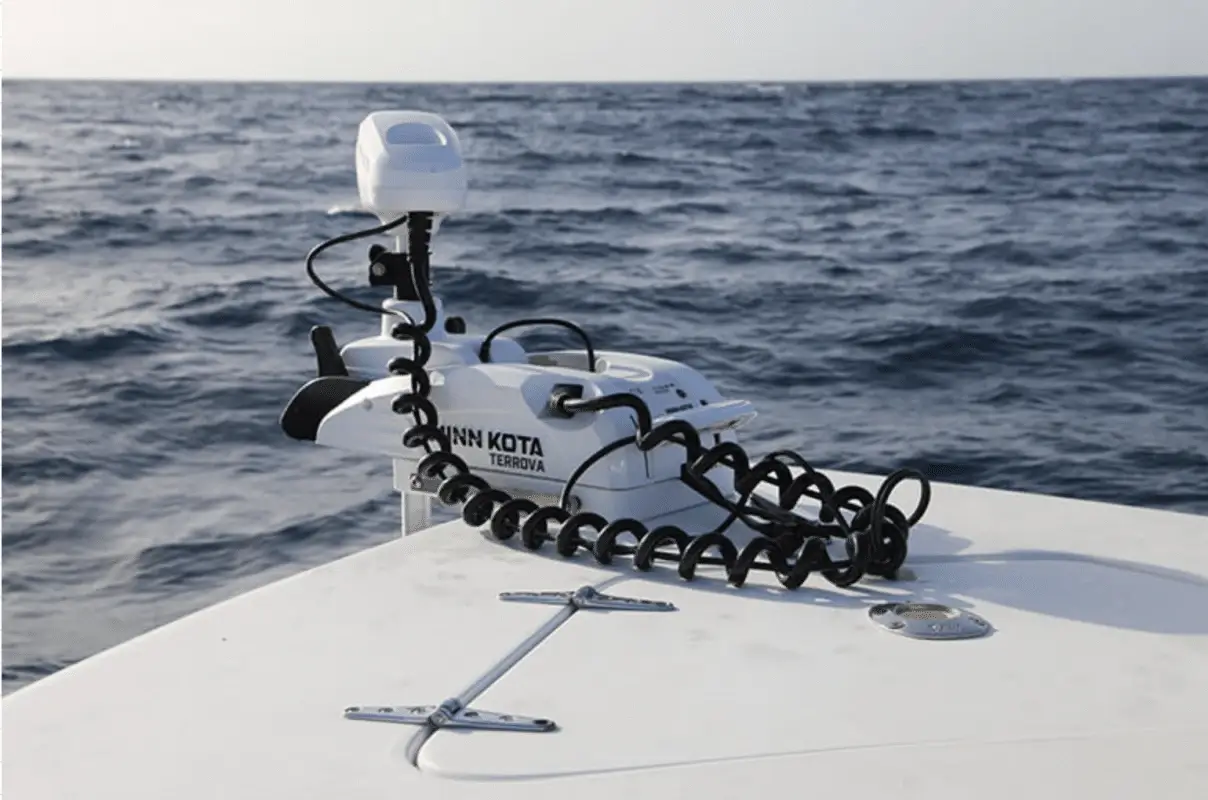
A bow mount sits on the very front and pulls the hull through the water. It operates exactly like driving a front-wheel-drive car. The back of the boat simply follows wherever the nose leads.
Dominating Heavy Wind and Currents
When you evaluate a bow mount trolling motor vs transom mount setup in heavy wind, the bow mount wins every single time. It pulls the nose directly into the wind, giving you surgical steering precision along docks, stumps, and drop-offs. If you fish open water where the wind constantly howls, you absolutely need a motor on the nose.
Steering Styles: Hand Control vs Foot Control Trolling Motor Options
Understanding the bow mount trolling motor vs transom mount differences also means looking at how you physically steer the unit. You can’t catch fish if your hands are glued to a steering handle all day long.
The Simplicity of Hand Controls
Transom motors almost exclusively use hand tillers. You sit in the back of the boat, grab the handle, twist it for speed, and push it to steer. It is dead simple and very reliable. However, if you are actively casting, fighting a fish, or trying to tie a knot, having to take a hand off your fishing rod to steer your boat is a massive pain.
Unlocking the Bow Mount Foot Pedal
When you step up to the front deck, you get to explore a hand control vs foot control trolling motor setup. Most serious tournament anglers run foot control bow mounts. You just rest your foot on the pedal and steer with your heel and toe. Both of your hands stay completely free to cast, jig, or net your fish. If you fish alone a lot, this hands-free boat control is an absolute game-changer for your daily catch rate.
Boat Suitability and Installation Reality
You also have to base your bow mount trolling motor vs transom mount decision on your physical deck layout. Not every boat is built to handle a heavy motor on the nose.
Rigging a Bow Mount Trolling Motor on John Boat Setups
A lot of folks want to put a bow mount trolling motor on john boat hulls, but those standard aluminum bench seats get in the way. You usually need a wide, flat casting deck up front to give the motor base a solid surface to bolt onto. If your john boat is just open benches, adding a bow mount requires some custom aluminum fabrication or building a raised wooden casting deck so you actually have room to mount the bracket and stand while you fish.
Easy Transom Mount Trolling Motor Installation Basics
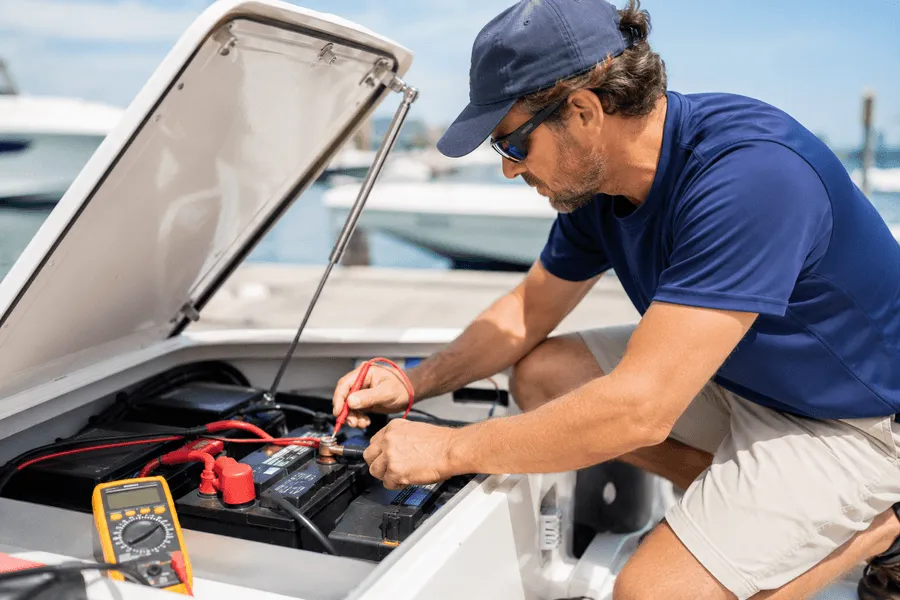
If you just want to get on the water fast without dealing with power tools, a transom mount trolling motor installation is incredibly easy. You just drop the bracket directly over the flat back edge of the transom, tighten down two heavy-duty thumbscrews by hand, hook up your battery wires, and you are ready to hit the water. You don’t need to drill holes into your expensive fiberglass or mess around with heavy mounting bolts and washers.
Managing Storage and Deploy Mechanisms
When you compare a bow mount trolling motor vs transom mount for trailering and storage, the hardware is totally different. Transom motors just tilt up out of the water on a simple metal hinge. Bow mounts are much heavier and require a complicated scissor-mount bracket to pull the motor up and lock it flat against the deck while you drive.
The Magic of a Quick Release Bracket Trolling Motor Setup
If you leave a heavy motor permanently bolted to the front of your boat, it sits out in the brutal sun and makes putting a tight boat cover on nearly impossible. It is also a very easy target for local thieves.
The smartest upgrade you can possibly make is adding a quick release bracket trolling motor plate. We bolt a small, low-profile puck directly to your fiberglass deck, and the heavy motor base slides and locks securely into it. When you are done fishing for the day, you just pull a single locking pin, slide the whole motor off the deck, and lock it safely inside your garage or truck bed.
Common Motor Mounting Problems and Anglers Solutions
Whether you choose a bow mount trolling motor vs transom mount system, amateur rigging causes major headaches. Bolting heavy equipment to a hollow boat deck requires serious hardware. When we fix botched DIY installs, we usually see the exact same core issues across the board.
- Problem: Ripping a bow mount right off the deck. Guys often try to mount a heavy 112lb thrust motor using standard wood screws straight into a thin fiberglass deck. The first time they hit a submerged stump, the screws rip out, heavily damaging the gel coat and nearly dropping the motor into the lake.
- Solution: We use heavy-duty aluminum backing plates and marine-grade stainless steel through-bolts. We sandwich the fiberglass deck between the plates, ensuring your motor never rips loose under heavy impact.
- Problem: The transom motor handle hitting the main outboard. When setting up a dual-motor rear transom, DIYers often clamp the electric motor too close to the gas outboard. When they try to turn sharply, the tiller handles smack together, limiting the turning radius and causing plastic damage.
- Solution: We use custom offset brackets during a transom mount trolling motor installation. We engineer the spacing to give you total steering clearance, so your tiller handles never fight for the same space.
- Problem: A bow mount sitting crooked on the deck. Finding a perfectly flat spot for a bow mount trolling motor on john boat hulls is tough. If you bolt the bracket down on a slight curve, the metal binds up, making it nearly impossible to stow or deploy the motor smoothly.
- Solution: We fabricate custom rubber leveling wedges. We ensure the motor base sits perfectly dead-flat before we torque down the bolts, guaranteeing a butter-smooth deploy and stow action every single time.
Rig Your Boat Right with Anglers Trolling Motor Services
Getting the right bow mount trolling motor vs transom mount setup completely changes how you control your boat and how you fish. You shouldn’t have to spend your weekends fighting annoying steering cables, ripping screws out of your fiberglass, or struggling to hold your boat on a windy point. You need a setup that is perfectly balanced for your specific hull shape and fishing style.
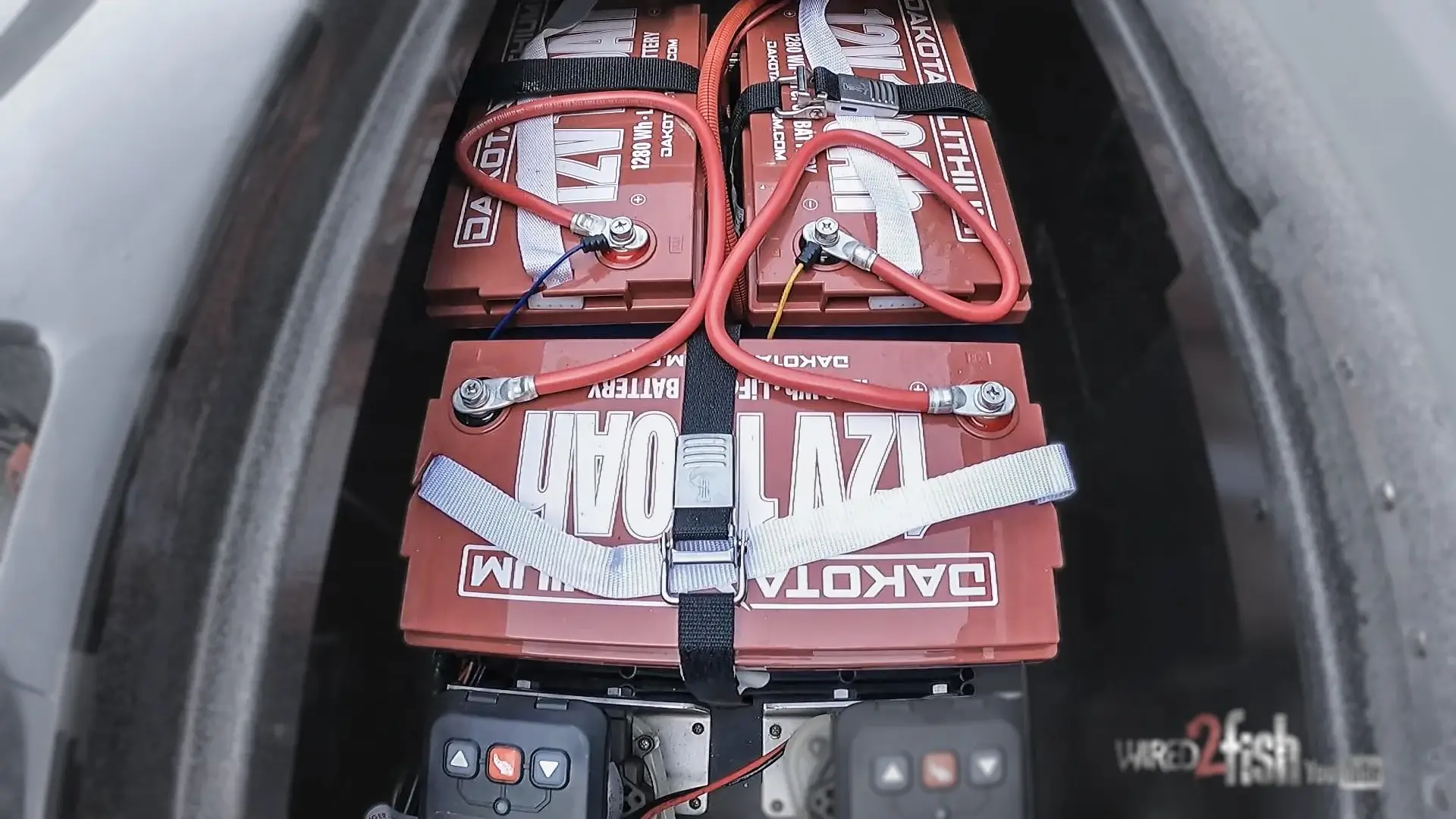
At Anglers Trolling Motor Services, we take the guesswork completely out of boat rigging. We specialize in heavy-duty custom mounting, flawless electrical wiring, and full marine lithium battery conversions. Whether you need a simple transom motor clamped to a weekend skiff or a massive GPS-locked bow mount fabricated onto an aluminum bass boat, we handle the job right the first time. If you are tired of getting blown around the lake, fighting tangled wires, or stressing over how to securely mount your new gear, you don’t need to struggle with it. We have the best possible solution for all these problems.