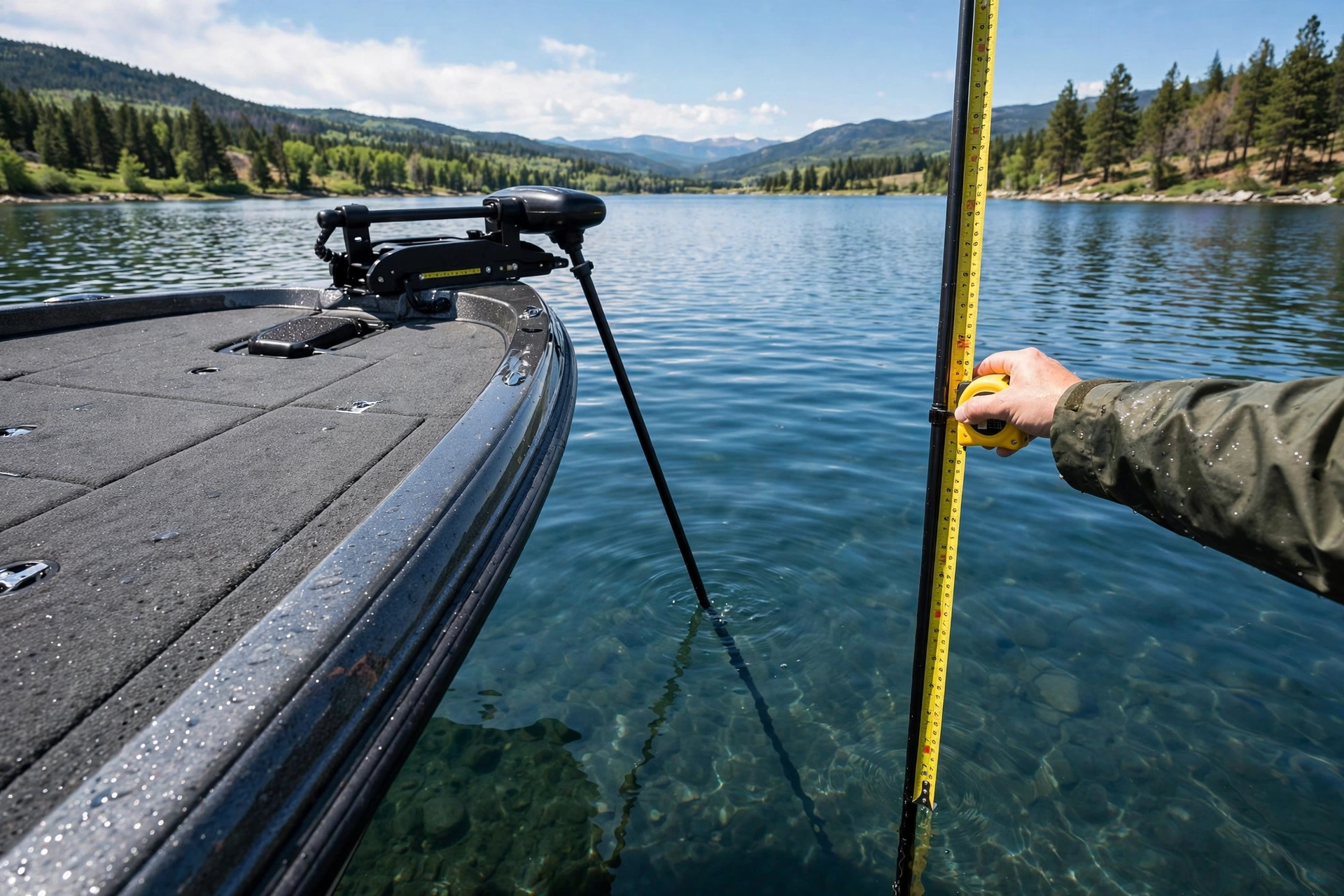
Fighting the wind to stay directly on top of a brush pile is completely exhausting. You finally locate a massive school of crappie on your sonar, but a heavy gust of wind blows your boat twenty feet off the mark before you can even grab your rod. The days of fighting a manual foot pedal while trying to tie a knot are entirely over. Upgrading to a gps trolling motor with anchor lock changes how you fish forever. By calculating your exact coordinates multiple times a second, these motors automatically steer and adjust their thrust to keep you locked precisely on your fishing spot.
If you are currently trying to decide on the best anchor lock trolling motor for your boat, the decision almost always comes down to the two biggest heavyweights in the industry. Let’s compare the minn kota spot lock trolling motor system against the motorguide pinpoint GPS system, break down their fishfinder integration, and figure out exactly which one belongs on your bow.
GPS Accuracy and the Electronic Anchor
At the core of any GPS trolling motor with anchor lock is an advanced internal compass and a highly sensitive GPS receiver. When you press the anchor button, the motor logs your exact coordinates. If a passing boat wake or heavy river current pushes you off that invisible dot, the motor automatically powers up, turns the head, and steers you right back.
Minn Kota Spot-Lock vs MotorGuide Pinpoint GPS
Years ago, MotorGuide had a slight edge in GPS algorithms. Their early systems held boats incredibly tight to their waypoints without “hunting” which is when the motor aggressively over-corrects and spins the boat wildly. However, Minn Kota completely redesigned its GPS algorithms a few years back. Today, a modern minn kota spot lock trolling motor holds your boat within a tiny three-foot radius with almost zero erratic steering. Both brands offer phenomenal accuracy today, making either choice a massive upgrade over a standard cable-steer motor. Choosing the right gps trolling motor with anchor lock ultimately comes down to the extra features and the specific brand ecosystems.
The Jog Feature and Heading Sensor Pucks
Sometimes you don’t want to stay glued to one exact spot. You want to slowly work a shoreline, follow a drop-off, or bump slightly to the left to cast at a new stump. This is where the highly popular “Jog” feature shines on a high-end gps trolling motor with anchor lock.
By pressing a single button on your remote, you can instantly bump your boat exactly five feet left, right, forward, or backward without ever canceling your active anchor mode. To do this accurately, both Minn Kota and MotorGuide require a heading sensor. This is a small, puck-shaped Bluetooth compass you mount near the back of your boat. It tells your GPS trolling motor with anchor lock exactly which direction the bow is physically pointing so it knows which way to jog. If you don’t install the heading sensor puck, the jog feature simply will not function.
Fishfinder Integration: The Ultimate Deciding Factor
For tournament anglers and serious weekend fishermen, the deciding factor rarely has anything to do with the motor itself. It all comes down to the fishfinders already mounted on their console. If you want to unlock advanced features like “follow a contour line” or tap a waypoint on your sonar screen and have your motor automatically drive you there, your motor absolutely has to talk to your graph.
Humminbird vs Lowrance Ecosystems
- Minn Kota: Owned by Johnson Outdoors, Minn Kota is designed to network exclusively with Humminbird fishfinders through the One-Boat Network. If you run Humminbird MEGA Live or MEGA 360, staying in this family is highly recommended.
- MotorGuide: MotorGuide uses a Pinpoint GPS Gateway to connect flawlessly via NMEA 2000 networks to Lowrance and Simrad units. If you rely on Lowrance ActiveTarget, MotorGuide is your easiest plug-and-play match.
If you already have three expensive Lowrance graphs networked on your bass boat, buying a motorguide pinpoint gps setup is a no-brainer. Keeping your electronics in the same family prevents massive networking headaches.
Remote Controls and User Experience
When you step away from the foot pedal to fish from the back deck, the handheld remote becomes your primary steering wheel. There is a very clear winner in this specific category. Minn Kota offers a large, full-color LCD screen on their remotes. You can easily glance down and see your exact speed setting, your battery charge status, and whether your anchor mode is actively engaged.
MotorGuide’s remote is incredibly compact and simple, but it lacks a digital display. You have to rely on the audible beeps, the status lights physically mounted on the base of the trolling motor, or look at your networked fishfinder screen to verify your speed setting. For anglers looking for a standalone GPS trolling motor with anchor lock who don’t want to stare at their graphs all day, having that LCD screen on their lanyard makes Minn Kota the clear favorite.
Upgrading Your Older Setup Without Buying New
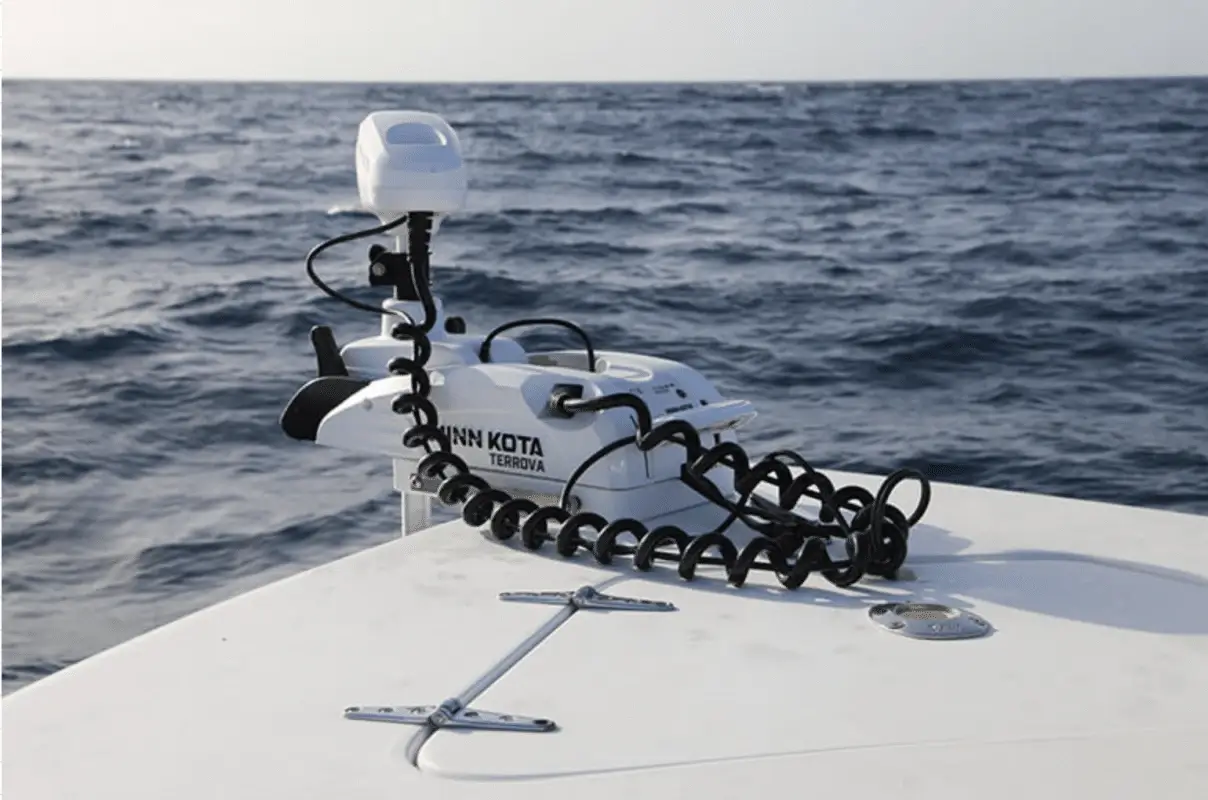
What if you already have a perfectly good Minn Kota PowerDrive or Terrova motor that simply lacks the GPS brain? You do not necessarily have to drop three thousand dollars on a brand-new setup. You can completely transform your existing rig by installing a spot lock retrofit kit.
These factory upgrade kits include a brand-new GPS control head, a new remote, and the internal compass board. By swapping out the top plastic head of your current motor and running the new wires down the shaft, you instantly convert your old mechanical unit into a modern gps trolling motor with anchor lock for a fraction of the cost.
Common GPS Motor Problems and Anglers Solutions
Smart marine technology requires incredibly smart installation. We constantly see boats rolling into our shop because a rushed DIY installation completely crippled the GPS system.
- Problem: Erratic steering and constant “hunting.” If your GPS trolling motor with anchor lock constantly spins in circles, over-corrects, and wraps the power cord around the shaft, your heading sensor is likely installed too close to a magnetic interference source. Placing it near heavy-gauge lithium battery cables or a steel cleat throws off the digital compass.
- Solution: We use advanced magnetic field testing to find the absolute perfect dead-zone on your boat. We mount your heading sensor exactly where it gets a pure, uninterrupted signal, ensuring your anchor locks tight without violently spinning the bow.
- Problem: Network communication failures. Trying to get a trolling motor to talk to a fishfinder using NMEA 2000 networks or ethernet adapter cables can turn into a massive headache. Anglers often buy the wrong adapters, leaving them with zero on-screen motor control.
- Solution: We are marine networking experts. We handle the complex wiring, set up your NMEA backbones, and update all the system software so your screens and motor communicate flawlessly from the second you hit the water.
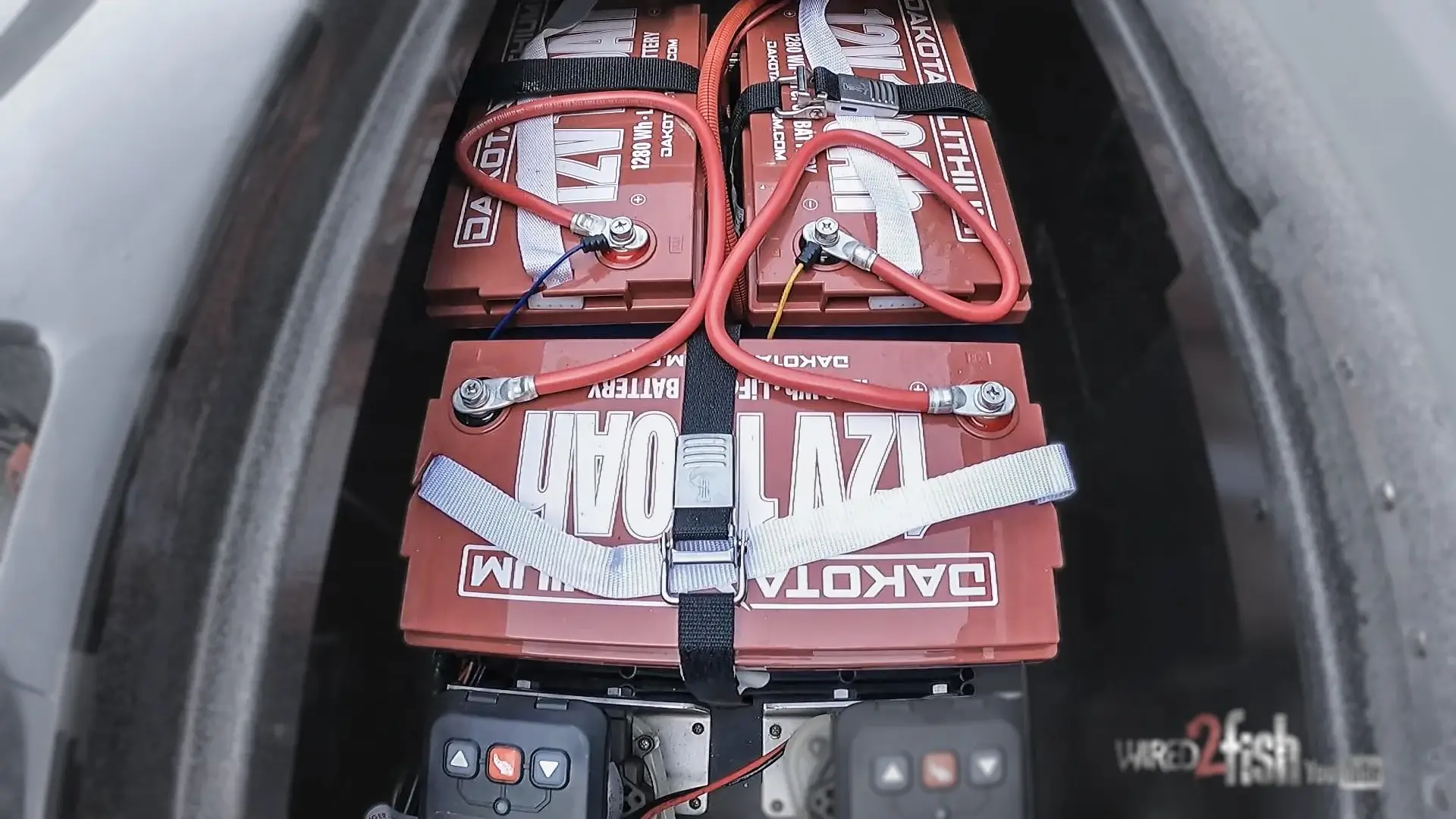
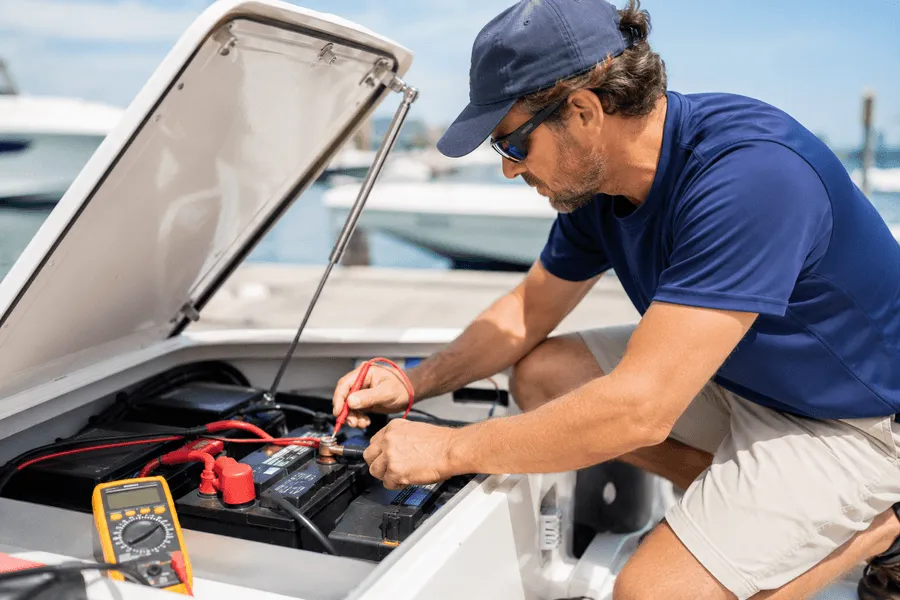
- Problem: Voltage drops knocking out the GPS. Standard lead-acid batteries drop in voltage as they drain. Once they drop below a certain threshold late in the afternoon, the GPS brain on the motor simply shuts off, killing your anchor lock entirely.
- Solution: We upgrade your boat with premium marine lithium batteries. Lithium holds a perfectly flat, high-voltage curve all day long. This keeps your GPS signal perfectly stable and your motor running at full power from sunup to sundown.
Maximize Your Boat Control with Anglers Trolling Motor Services
Whether you are holding perfectly steady over an offshore rock pile or quietly jogging down a windy weed line, a highly accurate gps trolling motor with anchor lock completely changes the way you catch fish. Finding the right brand to match your hull and getting it perfectly networked to your expensive graphs should not be a frustrating guessing game.
At Anglers Trolling Motor Services, we eat, sleep, and breathe marine electronics. We help you compare the top models, map out your specific fishfinder networking, and execute a flawless installation so your gear actually performs on the water. Stop fighting the wind, stressing over complicated NMEA wiring diagrams, or struggling to keep your boat positioned over the bite. We have the best possible solution for all these problems.