Can you use a freshwater trolling motor in saltwater? It’s one of the most common questions we hear from anglers who split time between lakes and the coast. The short answer: a freshwater motor will run in saltwater — but salt is relentless, and without the right build and care, it will eat your motor alive. Here’s what actually separates saltwater vs freshwater trolling motors, and how to protect your investment either way.
Saltwater vs Freshwater Trolling Motors: What’s Actually Different?
Saltwater-rated trolling motors aren’t just freshwater motors with a different paint job. Manufacturers engineer them for a corrosive environment from the inside out:
- Sealed electronics and housings: saltwater models use fully sealed control boards and connections to keep salt spray and moisture out of the circuitry.
- Sacrificial anodes: most saltwater motors include a zinc anode that corrodes first, protecting the lower unit — the same principle as on outboard motors.
- Corrosion-resistant materials: stainless steel hardware, anodized aluminum shafts, and specialized coatings replace the standard finishes on freshwater models.
- Upgraded seals: prop shaft seals and o-rings are built to tighter tolerances to resist salt intrusion.
If you’re shopping, our team can walk you through the options — see our trolling motor sales page for saltwater-ready models.
What Saltwater Does to a Freshwater Motor
Salt doesn’t just make metal rusty — it attacks a freshwater trolling motor on several fronts at once:
- Galvanic corrosion eats exposed aluminum and steel, starting with the prop, hardware, and lower unit.
- Electrical connections corrode, creating resistance that robs power and eventually causes the failures covered in our trolling motor repair guide.
- Seals degrade faster, letting saltwater reach bearings and the armature.
- Paint and coatings blister and peel, exposing raw metal underneath.
A freshwater motor used regularly in salt can show serious damage within a single season. Used occasionally with meticulous care, it can survive — but it will never last as long as a proper saltwater build.
Can You Use a Freshwater Trolling Motor in Saltwater?
Yes, with strict conditions. If you only hit the salt a few times a year, your freshwater motor can handle it provided you follow a rigorous routine:
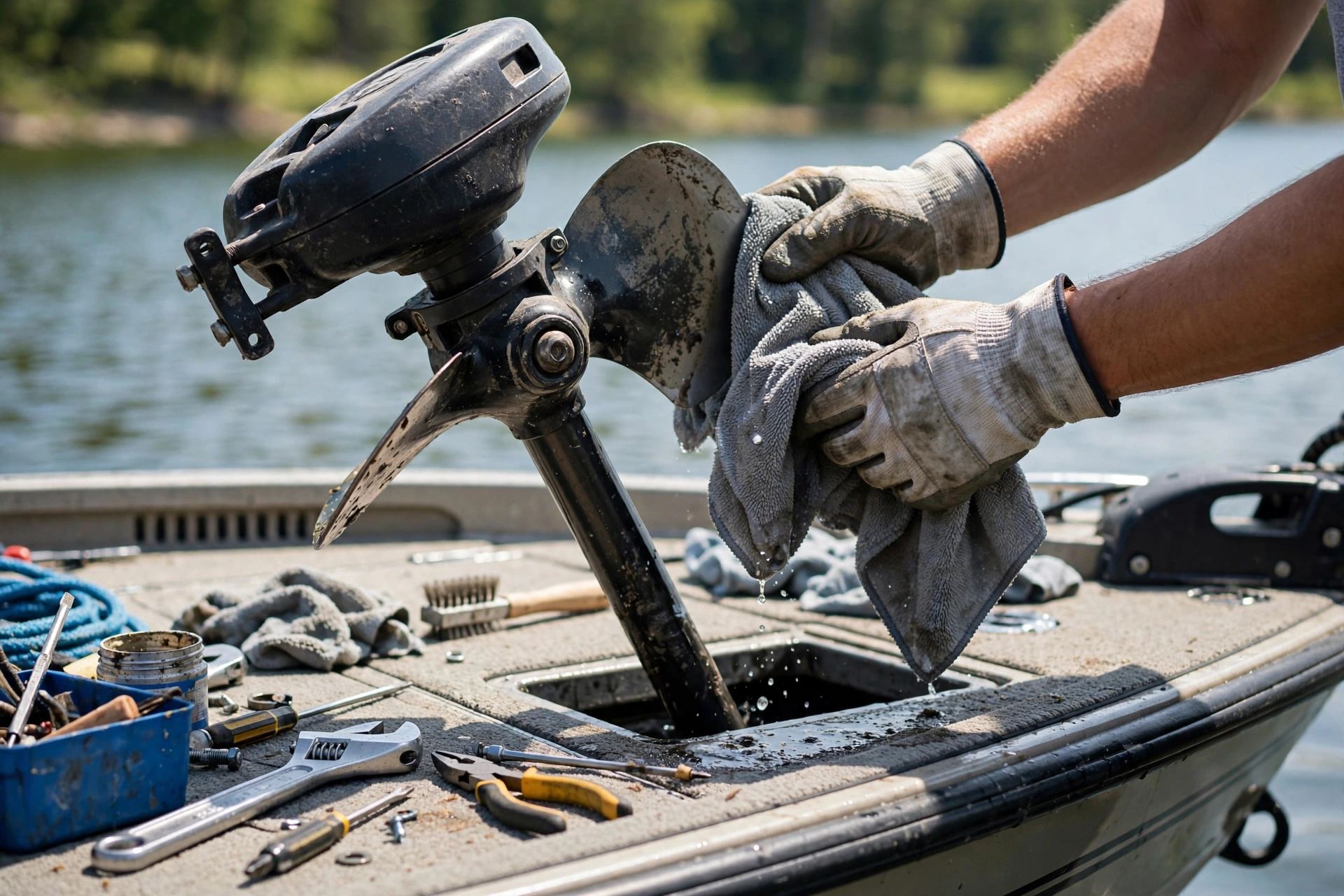
- Rinse thoroughly with fresh water after every single saltwater trip — the entire motor, mount, and prop, not just a quick splash.
- Spray metal components with a corrosion inhibitor after rinsing.
- Never leave it deployed in saltwater when not in use; stow it between spots.
- Inspect the prop and hardware regularly for the first signs of pitting or white powdery corrosion.
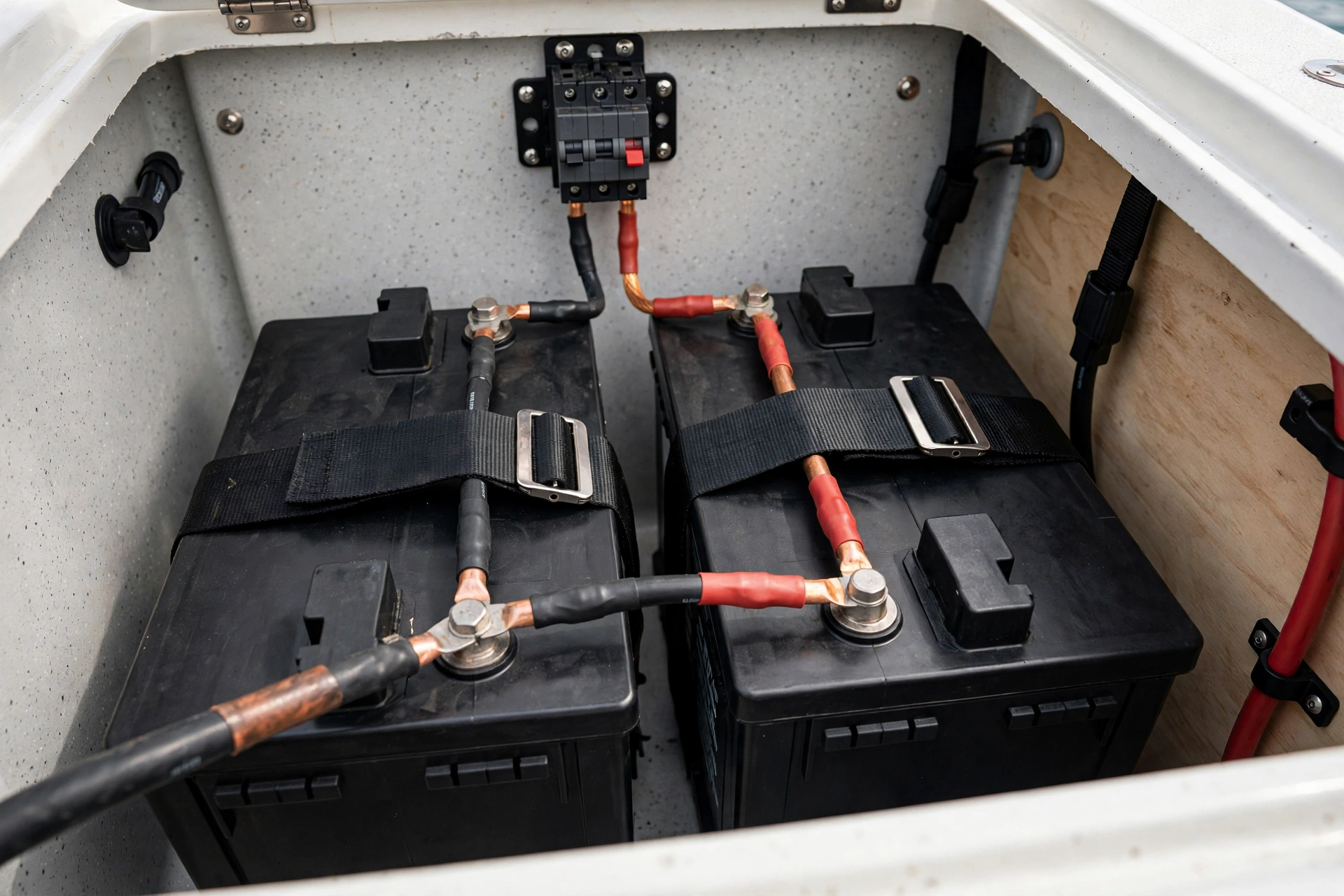
- Check electrical connections monthly for green or white corrosion buildup.
For a full after-trip routine, see our preventive trolling motor maintenance checklist.
Saltwater Trolling Motor Features Worth Paying For
If you fish salt more than a handful of times a year, a dedicated saltwater motor pays for itself in avoided trolling motor repairs. Look for:
- Composite or coated shafts that can’t corrode the way bare metal does.
- Replaceable sacrificial anodes — check and swap them annually.
- Digital maximizer or variable speed control, which runs cooler and draws less current — heat plus salt accelerates corrosion.
- GPS anchor features like Spot-Lock, which hold you on structure without constant prop wash stirring up corrosive silt — compare the top systems in our GPS anchor lock guide.
Frequently Asked Questions
Will one saltwater trip ruin my freshwater trolling motor?
No — a single trip won’t destroy it. Damage comes from repeated exposure and, more importantly, from salt left sitting on the motor. Rinse it thoroughly the same day and one trip is harmless.
Can I convert a freshwater motor for saltwater use?
There’s no true conversion. You can add sacrificial anodes and be diligent with rinsing and corrosion inhibitor, but you can’t retrofit sealed electronics or factory coatings. Treat it as life support, not a transformation.
Do I need a longer shaft for saltwater?
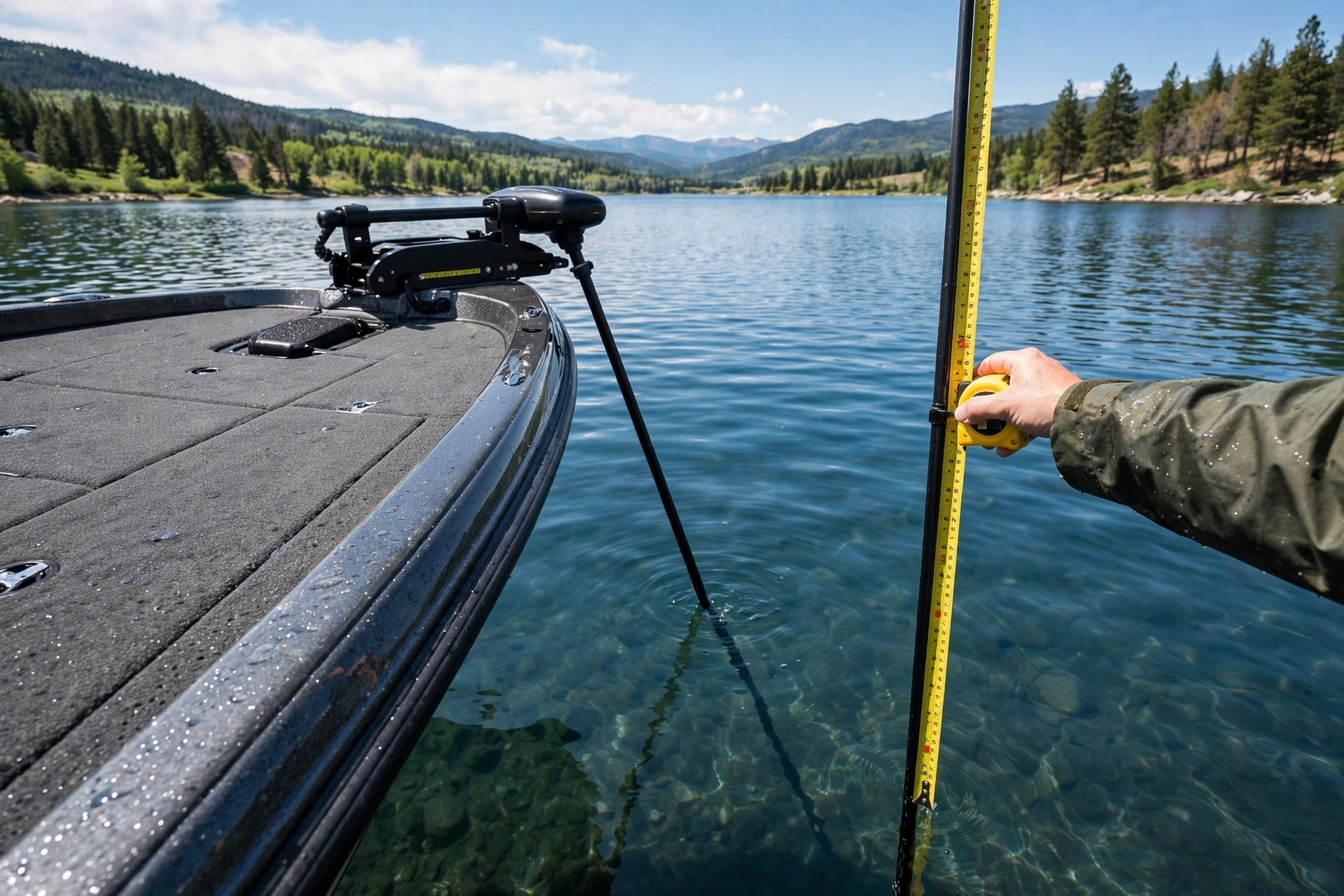
Often, yes — coastal water means chop and swell. Measure properly using our trolling motor shaft length guide, and size up if you fish open bays.
Does warranty cover saltwater damage on freshwater motors?
Almost never. Most manufacturers explicitly exclude corrosion from saltwater exposure on freshwater-rated models — another reason to buy the right motor for your water.
Fish Both? Get the Right Setup Once
If your boat splits time between freshwater lakes and the California coast, the cheapest motor is the one you buy once. Our technicians help Southern California anglers choose and install saltwater-ready trolling motors every week. Contact Trolling Motor Specialists or call 714-580-1492 for advice on the right motor for the water you actually fish.